


Home Grandparents My Page My Parents 


GrandParents' Times

  African traditions are mostly oral, passed on from generations to generations by tales told by the elders to the youth. Unfortunately, I did not have the privilege to know any of my grandfathers and I was too young to learn family history from my grandmothers at the time. Because of fires and scarcity of pictures, I did not have pictures of my grand-parents. But they were in their twenties during the 1940s.
The first occupation of the United States in Haiti was from 1915 to 1934. During the post occupation period, in other words from 1934-on, Haitian pride was at an all time high. Music was divided in two major groups, with the folk music as the dominating group and the local music as the second.
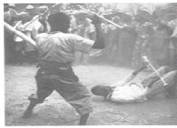
The key word to folk music is the drums. Hardly any music was written down; most of it was improvised on the spot. Some bands, called "Ra-Ra" bands would performed on the streets during Lent.
A different category of music started in the 1950s: I will refer to it as local music. The origin is unknown; it was played with a ballroom orchestra instead of the drums. Artists would reate romantic and slow songs. One of the well known pieces of this folk music is "Haiti Chérie" by Othelo Bayard; it is a song of Haitian paean of love to his homeland. After all that drum beating, it was relaxing to listen to slow songs.

Both of the categories were enjoyed by almost everyone. The minority was the group who listens to French songs and loved French artists. American music was not appreciated and was not welcomed.


A folk music sample:

sounds\Grandparents_Makanda.mid

"Haiti Chérie"

sounds\Parents_haiti.mid


Similar sound of folk available on mp3


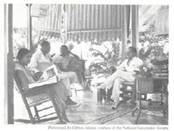
Pic 1- Tiles, furniture, languages were French for a small group.


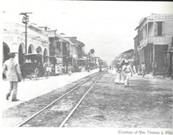
Pic 2- Street of Port-au-Prince, the Capital


Pic 3- Ra-Ra dancers moving to the rhythm of the drums


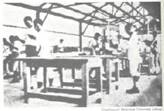
Pic 4- Students working in a workshop


Home Grandparents My Page My Parents